It’s easy to get jaded by the constant churn of “innovative” dental tech flooding the market. But a few tools are proving they’re worth the hype. Dentists who’ve recently integrated specific technologies into their practices are seeing measurable improvements. Not just in patient care, but also in efficiency, team dynamics, and even case acceptance.
This week, Dentistry 411 explores the tech that’s actually working for dental practices and why it matters.
Digital Scanners and X-rays: Baseline, Not Luxury
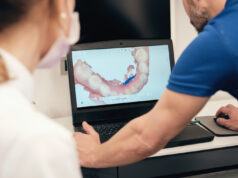
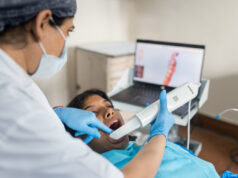
Digital radiography and intraoral scanners are no longer optional upgrades. They’ve become baseline tools for modern diagnostics and treatment planning.
Dr. Huzefa Kapadia of Kapadia Dental Care in Detroit notes that digital X-rays and scanners have had the biggest impact in his practice. His point: High-quality imaging is now more accessible than ever, and the playing field has leveled. You don’t need to buy from the biggest names anymore. Competitors are offering fast, accurate scanning at significantly lower costs.
This trend is worth paying attention to. Scanner speed and precision are improving, while prices continue to drop. If your practice hasn’t upgraded in the last few years, you may be paying more than you need to for less capability. Reassess your tech vendor relationships. Better options might already be available at a lower cost, and with better integration into your digital workflow.
AI Is Quietly Becoming the MVP in Diagnostics and Communication
Dr. Daniel Lingenfelter of Fitch Mountain Dental in California shares how AI, particularly in radiographic diagnostics and treatment planning, is reshaping his entire patient journey and staff roles.
Here’s what AI is actually doing in his practice:
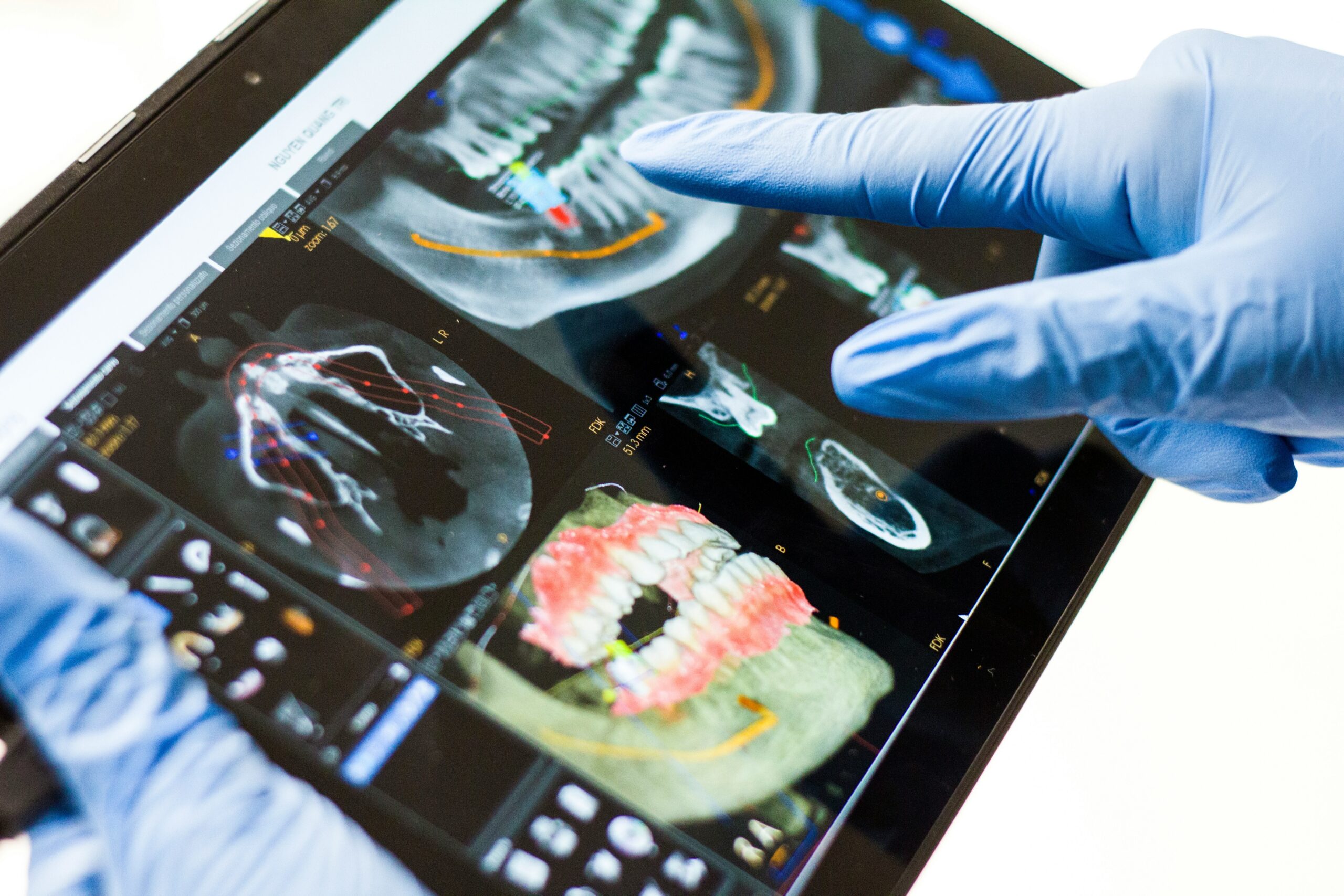
- Visual explanation tools: AI-enhanced radiographs make the invisible visible. Patients can see cavity risk areas, bone loss, and problem zones in a format they actually understand, boosting trust and case acceptance.
- Elevated hygiene role: Hygienists are no longer just cleaning teeth and flagging concerns. With AI support, they’re initiating real diagnostic conversations confidently before you even step into the room.
- Objectivity in perio assessments: AI can compare historical and current bone levels, grounding your diagnosis in data rather than subjective opinion. That could be a game changer for a perio case presentation.
- Faster treatment planning: Beyond diagnostics, AI is also accelerating implant planning and occlusal guard design. This is saving chair time, improving lab turnaround, and reducing friction in case delivery.
The key here is practical implementation. AI isn’t replacing clinical judgment. It’s enhancing it with clarity, speed, and patient engagement. If your current diagnostic process feels bottlenecked or overly manual, AI could offload much of that burden.
What This Means for You
These technologies are working for real dentists now, in real practices, with real patients. And the dentists using them are seeing tangible results: more informed patients, more empowered team members, and more efficient clinical delivery.
Here are a few next steps:
- Reevaluate your digital scanner ROI. Prices have dropped and capabilities have improved. If your equipment is more than a few years old, you may be overpaying for outdated tech.
- Trial AI-assisted diagnostic tools. Platforms like Pearl, Overjet, and others offer easy integrations and trial periods. Even a short pilot could shift your diagnostic workflow significantly.
- Train your team. Technology doesn’t work in a vacuum. Invest in team education so your hygienists and assistants can fully leverage these tools—not just to identify problems, but to communicate them effectively to patients.
- Use data to drive difficult conversations. AI-derived metrics give you a way to talk about bone loss, cavities, and preventive care without relying on subjective judgment. That reduces patient pushback and increases treatment acceptance.
Tech Is Only a Tool … But the Right Tools Change Everything
Smart adoption of tech doesn’t just streamline processes. It reshapes how you deliver care, how your team collaborates, and how patients experience treatment. If you haven’t explored digital imaging updates or AI integration recently, now’s a great time.
The edge doesn’t belong to the early adopters anymore but to those who integrate tech with intention, elevate their team with it, and make it part of how they deliver smarter, faster care. You don’t need to chase every shiny new gadget, but it’s worth auditing your practice’s tech stack to stay ahead.
SOURCES: Becker’s