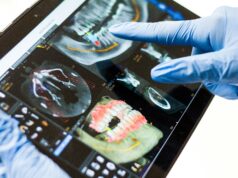
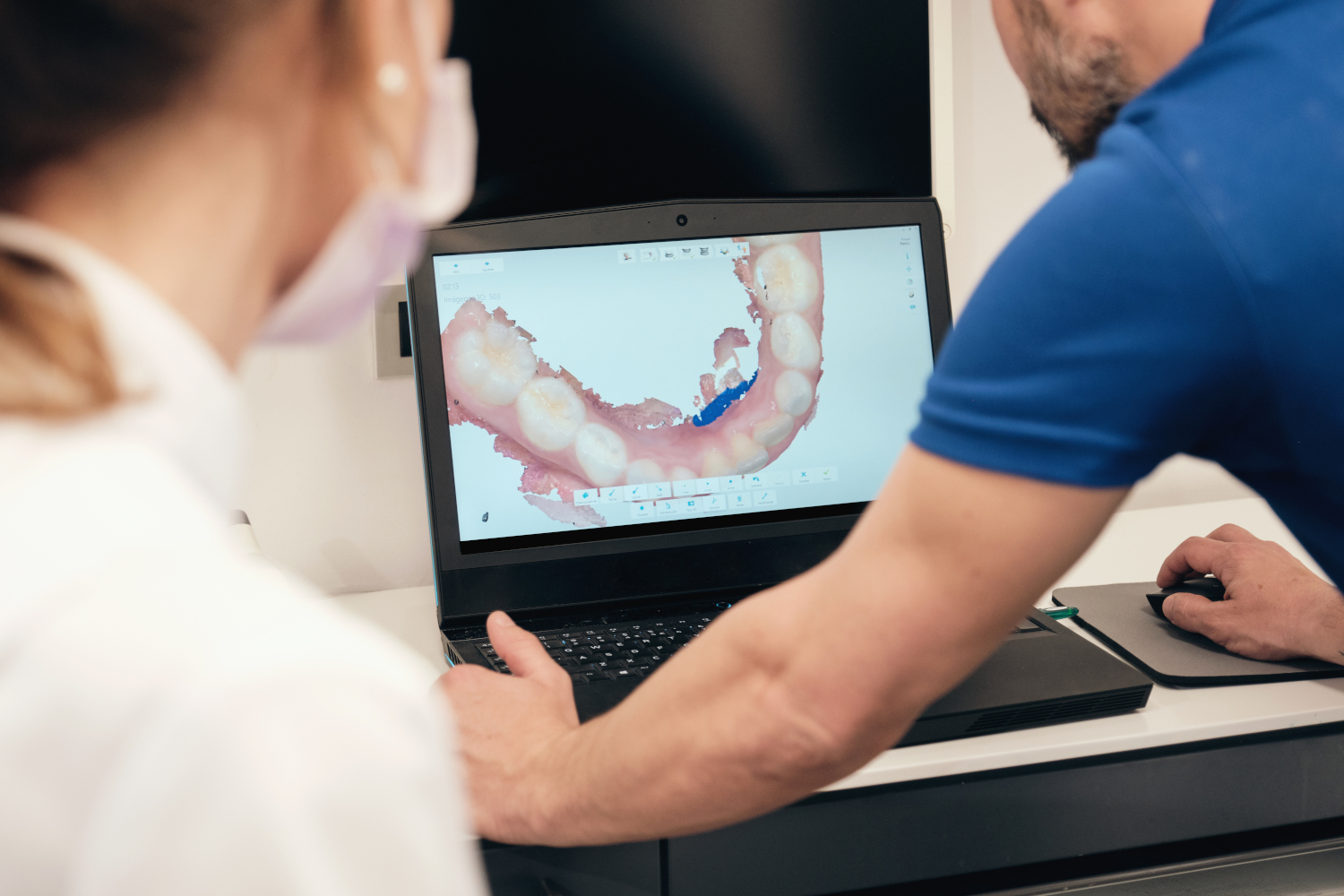
Artificial intelligence in dentistry is becoming a routine part of diagnostic imaging, revenue cycle management, and even patient communication. The last quarter alone has seen several notable developments, from new product launches to lawsuits that hint at the ethical and operational challenges ahead. This week, Dentistry 411 helps you prepare for how AI will realistically fit into your workflow, not just in theory but in daily practice.
1. Diagnostic AI Is Getting Smarter and More Practical
Pearl, one of the early leaders in dental AI, recently launched Imagecheck, a radiograph quality assurance tool that automatically flags suboptimal images. This is a quiet but meaningful development. AI is now helping ensure the images you rely on are diagnostically valid before you interpret them, reducing retakes, improving clinical efficiency, and helping maintain consistency in multi-provider settings. In group practices and DSOs, where radiograph quality can vary widely, tools like this can standardize baseline image quality across multiple clinicians.
2. Integration Is Outpacing Adoption
The North American Dental Group’s rollout of Overjet’s IRIS Smart Imaging software across 200 locations signals that large organizations are fully committing to AI diagnostics. Overjet’s software identifies caries, bone levels, and other radiographic findings, overlaying data that can guide diagnosis and treatment acceptance.
This is a tipping point. When DSOs integrate AI system-wide, it establishes workflow precedents and normalizes its use among associates. For solo or small-group practices, this means patients may start expecting similar visual tools and data-driven explanations of their treatment plans.
3. Revenue Cycle Automation Is Coming for Dentistry Too
VideaHealth’s ClaimsAI launch highlights the use of AI in dental care for revenue cycle management. Automating claim validation and coding could drastically reduce human error and administrative delays. For practices that handle high patient volume or depend on third-party billing services, this could streamline operations and free up staff for more patient-facing tasks.
However, AI-driven billing tools also raise questions about accountability. If a claim is denied based on AI interpretation, who’s responsible — the software or the practice? Dentists will need to stay alert as these systems evolve and insurers begin to rely on AI validation themselves.
4. Partnerships Are Driving Real Progress
Pearl’s collaboration with Apryse, the developer of MiPACS imaging software, points to the next phase of AI integration: seamless data exchange. Rather than bolting AI onto existing systems, these partnerships embed it directly into core software infrastructure.
This is a good sign for clinicians. It suggests that AI will increasingly operate in the background, improving accuracy and workflow without forcing you to toggle between multiple platforms. Ideally, this reduces cognitive load and keeps technology where it belongs, as a quiet assistant instead of a distraction.
5. The Legal Landscape Is Starting to Take Shape
A class-action lawsuit filed against Heartland Dental for its use of AI to analyze patient phone calls may seem peripheral, but it’s an early warning. The legal and ethical framework around AI in dentistry remains unsettled. Patient data, informed consent, and the scope of acceptable automation are all being tested in real time.
If your practice uses AI systems that record, analyze, or interpret patient interactions, it’s worth reviewing your data privacy policies and vendor agreements. AI tools may be HIPAA-compliant, but liability for misuse often falls on the practice.
6. Investment Is Flowing, But Expect Consolidation Ahead
Trust AI’s $6 million funding round shows continued investor confidence in dental AI, but the market is getting crowded. As more startups compete for space in imaging, diagnostics, and practice management, expect consolidation over the next few years.
For practitioners, that means evaluating vendors carefully. Look for proven clinical validation, transparent regulatory compliance, and support infrastructure. AI products without solid data and FDA clearance are unlikely to last.
AI Is Entering Its Practical Phase
The latest wave of AI developments shows that the technology is moving from “what’s possible” to “what’s useful.” Imaging quality control, diagnostic overlays, billing automation, and workflow integration all point toward systems designed to work quietly in the background, improving clinical efficiency and precision.
The next step is discernment. Adopt tools that enhance accuracy, documentation, and patient communication, but remain critical of those that promise too much. AI that tightens your margins, sharpens your diagnostics, and streamlines your workflow is worth paying attention to.
SOURCES: Business Wire, Overjet, Business Wire, Business Wire, PR Newswire