
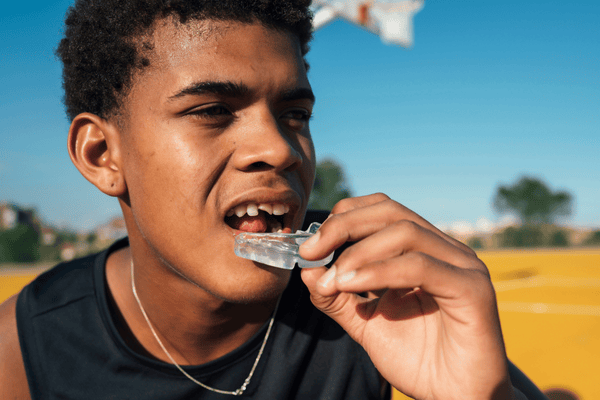
The American Dental Association and the Academy for Sports Dentistry recently partnered to bring attention to the specialization within the field. The partnership aims to raise awareness on existing resources available to practices, such as certifications and treatment plans. They also plan to develop a sports ambassador group within the ADA and to attract dental students to the focus. With this news bookending 2025, practice owners and professionals should prepare for related headlines and initiatives in the new year. This week, Dentistry 411 will help professionals decide the right path for their practice and stay ahead of the trend.
The general public is well aware of the intersection between sports and health. Fantasy football players grieve when a player is out with an injury. People are familiar with sports medicine and professionals’ role in keeping players in peak performance. Still, sports dentistry is an under-the-radar aspect of high-contact sports and dentistry alike.
The Bread and Butter of Sports Dentistry
Just like traditional patients, dentistry is an important part of an athlete’s health. Routine check-ups are staples of preventative holistic care. They can catch markers of early-stage oral disease or cancer, potentially saving saves. However, athletes require specialized treatment like mouthguards and frequent trauma-related care.
In NHL ice hockey, mouthguards are not required, much to some dentists’ dismay. Luckily, 90% of players wear them voluntarily, yet the image of a toothless goalie is still stereotypical for the sport. In hockey, and many other high-risk sports, there is a team dentist at every game. They are ready to jump in when a facial injury may result in a dental crisis.
Dentist for the Washington Capitals, Dr. Tom Lenz, explained his role in a New York Times article. His expertise is needed to assess the wound, rule out immediate danger, and provide temporary care; the real work comes after the game. The role of a sports dentist is to provide players with options.
Dentists must be acutely aware of their patient’s risk. Depending on the likelihood of injury in their sport, their treatment must be tailored accordingly. For example, a bridge may seem obvious for a missing tooth but another injury would risk the surrounding teeth.
Is it the right fit for your practice?
Essentially, sports dentistry is very similar to traditional dentistry, but with unique perks. First, there’s the potential for travel, if chosen as a team dentist, and the opportunity to work closely with some of the biggest athletes in the game. While dentistry is generally a preventative-focused practice, this specialty may demand more emergency care, perfect for any professional looking for a faster-paced work environment.
You could venture into the mouthguard business, engineering the least invasive, most protective gear yet. Or you could focus on chairside and cosmetic care, ensuring athletes have that perfect, pearly white, full smile for their next ad campaign or school picture. This specific knowledge and expertise can give a variety of patients — from student athletes to recreational players to professionals — peace of mind that they are being offered personalized treatment hand-picked to suit their situation. It is an evolving specialty, with more related articles being posted and slated to grow within the next year with the support of two major national associations.
More Resources
If you’re interested in more information on sports dentistry, check out the Academy for Sports Dentistry and save the date for their symposium next summer!