Social media is the new waiting room, and it may not be a good thing. From DIY orthodontics to snap-on veneers and illegal “veneer techs” advertising on TikTok, the dental profession is now routinely contending with digital misinformation masquerading as sound cosmetic advice. These viral trends are eroding public understanding of safe dental care and actively putting your patients at risk.
As a clinician, countering disinformation is now a part of the job. This week, Dentistry 411 explores how to stay ahead of the most dangerous online dental trends right now and guide your patients back toward evidence-based care.
“Dental Influencers” and DIY Disasters
TikTok, Instagram, and YouTube are saturated with creators peddling dental hacks that are cheap, fast, and incredibly harmful. What they promise in aesthetics, they rob in function, often in irreversible ways. Some current offenders include:
- Snap-on veneers
Marketed as a cosmetic quick fix, these low-cost plastic appliances are sold online for under $30 and pitched as reversible and non-invasive. But in reality, they trap plaque, promote decay, and can damage gingival tissues.
- Illegal veneer techs
Unlicensed individuals applying permanent veneers using hardware-store-grade adhesives, resulting in nerve damage, infections, and sometimes full-mouth reconstructions at costs exceeding $80,000.
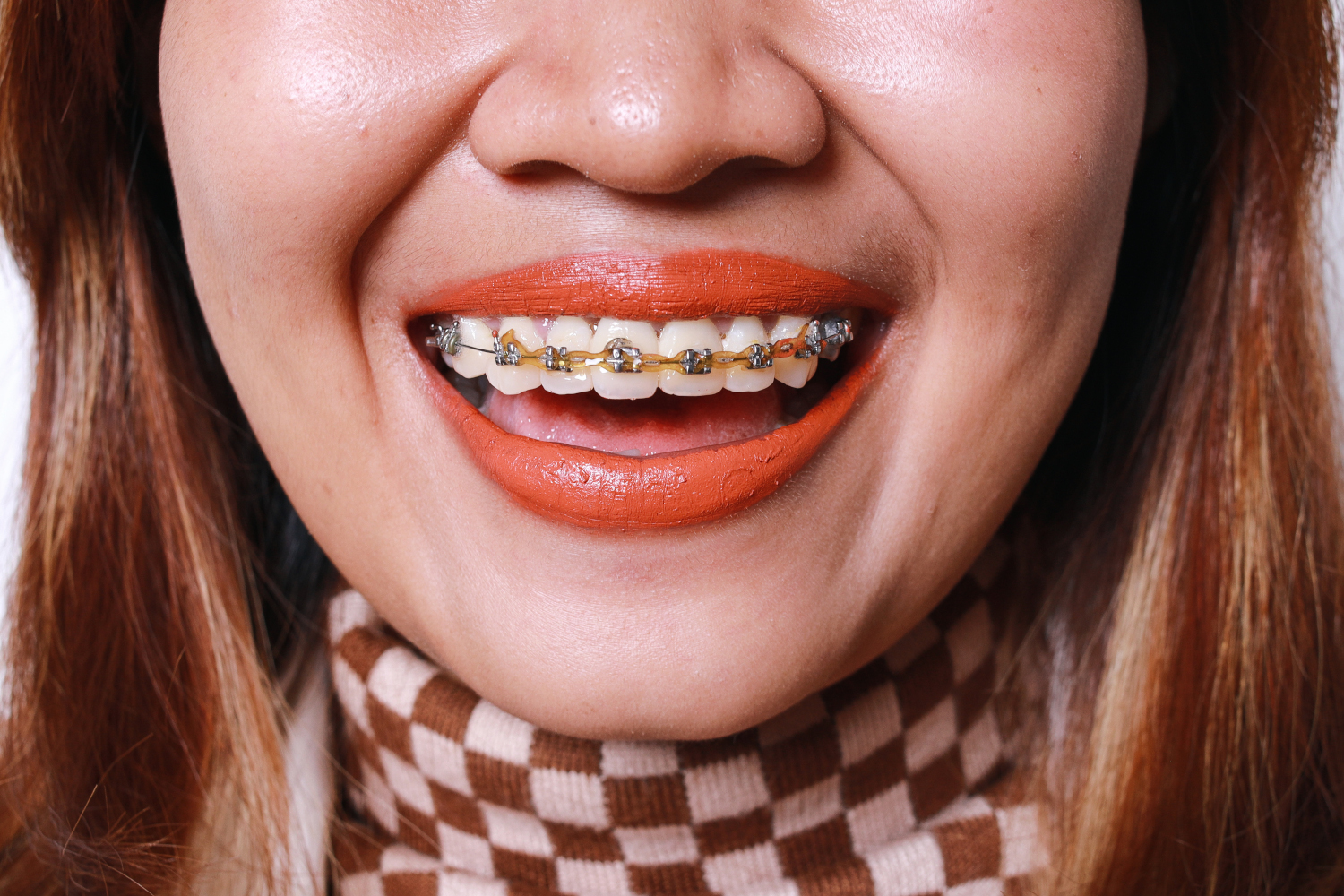
- Fashion braces and DIY aligners
These apply real orthodontic forces without diagnostics or supervision. Even if they look like toys, they can shift teeth and collapse occlusion.
- Tooth filing, gems, piercings, and mewing
Each of these trends carries enamel damage, pulp exposure, or neuromuscular disruption as likely outcomes. All are non-reversible and clinically reckless.
How Clinicians Can Cut Through the Noise
You don’t have time to give a TED Talk during routine checks. But you can still reclaim the narrative with strategic, targeted patient education. Here’s how:
1. Lead With Visuals
When a patient brings up snap-on veneers, don’t just tell — show! Use high-res intraoral photos to demonstrate the biofilm buildup on their gingival margins. Display before-and-after photos of botched DIY treatments (with informed consent) to bring the risk to life.
2. Be Device-Agnostic, Patient-Specific
If a patient mentions “mewing” or “braces you can buy online,” acknowledge the appeal but pivot to the diagnostic gaps. Talk about the role of cephalometric imaging, periodontal evaluation, and occlusal planning. Explain how treatment plans are designed for long-term health, not 30-second TikToks.
3. Address the Why, Not Just the What
If someone’s asking about cheap veneers, the problem might stem from affordability or anxiety. Use that moment to introduce phased cosmetic treatment plans or in-office financing options. With some skill, you can turn a defensive conversation into a proactive one.
4. Update Consent Forms and Pre-Treatment Scripts
For patients pursuing veneers, aligners, or whitening, include a brief verbal or written advisory about the dangers of DIY alternatives. It may seem obvious, but documentation helps protect you and reinforces the authority of the care plan.
Equip Your Team as the First Line of Defense
Your assistants, hygienists, and front desk staff are your best misinformation filters. They hear about these trends first. Empower them with scripts and simple rebuttals like:
- “That trend’s actually caused infections in a lot of people. We’ve treated a few cases here.”
- “It might look easy online, but they don’t show what happens after.”
Short, confident answers are more effective than technical lectures.
Consider holding a quarterly “trend debrief” at team meetings. Review emerging fads and arm staff with talking points.
Use Digital to Fight Digital
You don’t need to become a dental influencer, but your practice should have a digital presence strong enough to counteract the noise. A few ideas:
- Post short videos debunking popular myths.
- Create a “Before You Try That” section on your website.
- Offer a downloadable “Myth vs. Fact” PDF patients can share with friends and family.
Patients trust their dentists more than social media influencers. But you must meet them where they are. Online, in their feed, and on their phone. Dental misinformation won’t go away. But the solution isn’t to dismiss it. Compete with it! If you’re silent, influencers are speaking for you. If you’re visible, consistent, and clear, patients will turn to you first.
Use each misinformed trend as an invitation to educate and connect, not just to refute. Because in an age of clickbait dentistry, clinical clarity and trust is more valuable than ever.
SOURCES: American Association of Orthodontists, Fox 13 News, Dentistry IQ