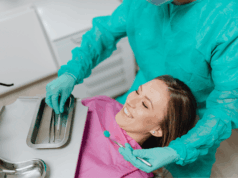

With access to healthcare tightening and medical costs rising, more people are looking to travel far when booking appointments. Many of these procedures are cosmetic and coverage is picking up steam online. You may have seen videos referencing planes of hair transplant passengers leaving Turkey, or returning from Brazil post-op from plastic surgery. But when it comes to oral care, can your practice compete with dental tourism? This week, Dentistry 411 will walk you through the trend and how to moderate chairside conversations.
The Promise
Dental tourism is a complex and thriving ecosystem of supply and demand in the medical world. A recent report shows dental tourism is growing quickly, and will continue to do so. The market was valued at $634 million in 2024 and projected for over $3 billion by 2033. It’s clearly a successful industry with agencies dedicated to helping consumers find a good fit. In countries popular with out-of-town patients, entire communities depend on the economic contribution provided by visitors.
People may opt to travel out of the country for healthcare for a variety of reasons: accessibility, affordability, and the allure of an exotic, luxury experience. Lower costs are the biggest lure to travel abroad for healthcare. Financial breakdowns show that, including travel costs like flights and hotels, traveling for dental care can be a cost effective option. And this isn’t just for those lacking insurance. Although most dental plans promote preventative care, covering most costs, more serious procedures can be expensive. Plans with high deductibles can take policyholders by surprise when root canals or removals enter the picture.
Some of the most popular countries for dental care are Mexico, Thailand, Hungary, and Spain. The low prices and picturesque backdrops make them top picks for passport-carrying patients. Some offices even partner with local luxury hotels to offer high-end recovery packages. Costs are usually cut by downsizing protections, like not mandating malpractice insurance. But a lower cost of living and less student debt make it easier for practices in these countries to make a profit with highly competitive pricing.
The Risks
So, you suspect your patient may think the grass is greener in a foreign dental chair. How do you have a responsible conversation while respecting their concerns? You should, of course, listen to your patient. With compassion in mind, ask them what’s appealing about traveling for care and what stops them from making the appointment at home. Once you understand their concerns and perspective on the situation, it can inform how you talk to them about their options.
If you feel they don’t know what they’re getting themselves into, remind them of the importance of research, any time their health is at stake. Knowing what protections are available beforehand in case of an emergency or botched procedure is crucial. Dental standards vary, and patients should confirm they are comfortable with the level of care they can expect to receive. Challenges like language barriers and continuity of care should also be addressed. Emphasize the need to communicate with both health providers and to provide dental records for proper follow-up care.
The Redirect
If you feel your patient maybe viewing dental tourism as a last resort or ultimately not a good fit, there are other options to explore.
- Promotions and Payment Plans
Find alternatives to lessen the monetary burden on patients. If financing their bill is an option at your office, make that option known. Consider offering discounts or promotional rates. Many offices offer lower rates for new patients or through . For patients willing to pay out-of-pocket, offices may offer cash-pay discounts equivalent to their insurer-negotiated rates. Student and children’s deals are also popular to ensure a solid foundation of dental health in the community.
- Dental schools
If you think your office may not be the right fit, you can refer them to a local dental school where future dentists can provide them with supervised care. Offerings vary by school, but patients can often schedule root canals, crowns, and even orthodontics, in some cases. And the best part, costs are usually determined based on patients’ specific circumstances, rather than one flat rate.
- Charity organizations
Keeping a catalog of resources on hand of patients who need it is another good way to support your community. Free and low-cost clinics are available to patients with significant challenges to receiving care. Like dental schools, costs are personalized on a case-by-case basis. You can contact local social service agencies to discuss what is available to the public in your area.
While dental tourism may seem like a good way to get a side of vacation with dental care, it can present several challenges, if not properly researched. Having open communication with your patients can help them make the best decision for them and keep healthcare accessible. Staying in touch with the challenges clients face can help your practice compete with trends like dental tourism.
This content is intended for educational purposes only and does not substitute for clinical judgment. Treatment decisions should be based on individual patient needs, professional guidelines, and a comprehensive clinical evaluation.