Obstructive sleep apnea (OSA) has gone from being a peripheral issue in dentistry to a front-line concern. With new treatment modalities, collaborative care models, and expanding awareness of systemic links, dental professionals now play a vital role in sleep health. At the same time, dental sleep medicine is emerging as a high-value service line, offering practices a path to unlocking scalable revenue through appliance therapy and medical billing.
This week, Dentistry 411 explores the latest peer-reviewed literature and clinical advancements to help you refine your role in sleep apnea detection and management.
OSA: A Systemic Disease With an Oral Gateway
OSA is more than snoring and disrupted sleep. It’s a chronic, progressive disorder with far-reaching cardiovascular, metabolic, and neurologic consequences. Untreated OSA contributes to hypertension, stroke, heart failure, type 2 diabetes, and even neurodegeneration.
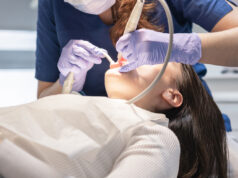
So, what makes this a dental issue? The pathophysiology often begins in the upper airway anatomy, an area squarely within your clinical domain. Retrognathia, narrow palates, enlarged tongues, and micrognathia are structural risk factors for airway collapse. The dentist’s routine access to these anatomical markers, combined with longitudinal patient relationships, uniquely positions the profession to screen, refer, and co-manage the disorder.
Making the Case for Standardized Screening
According to Alrejaye and colleagues, most general dentists report performing some level of OSA screening, often by identifying classic signs like bruxism, scalloped tongue, or retrognathic mandibles. However, few are systematically incorporating validated screening tools like STOP-BANG or the Epworth Sleepiness Scale.
By embedding structured protocols into your intake forms and recall exams, you can identify high-risk patients with up to 80% accuracy. Rutgers’ researchers advocate for a basic but effective protocol: behavioral observation, craniofacial examination, and simple questionnaires. No need to reinvent the wheel. OSA discussions can start simply: “Have you ever been told you snore?” or “Do you ever feel tired even after a full night’s sleep?”
This is about consistent recognition, not necessarily diagnosis. It’s important to note that diagnosis remains the purview of sleep physicians, but your referral could be the reason a patient finally gets life-changing treatment.
Oral Appliance Therapy (OAT)
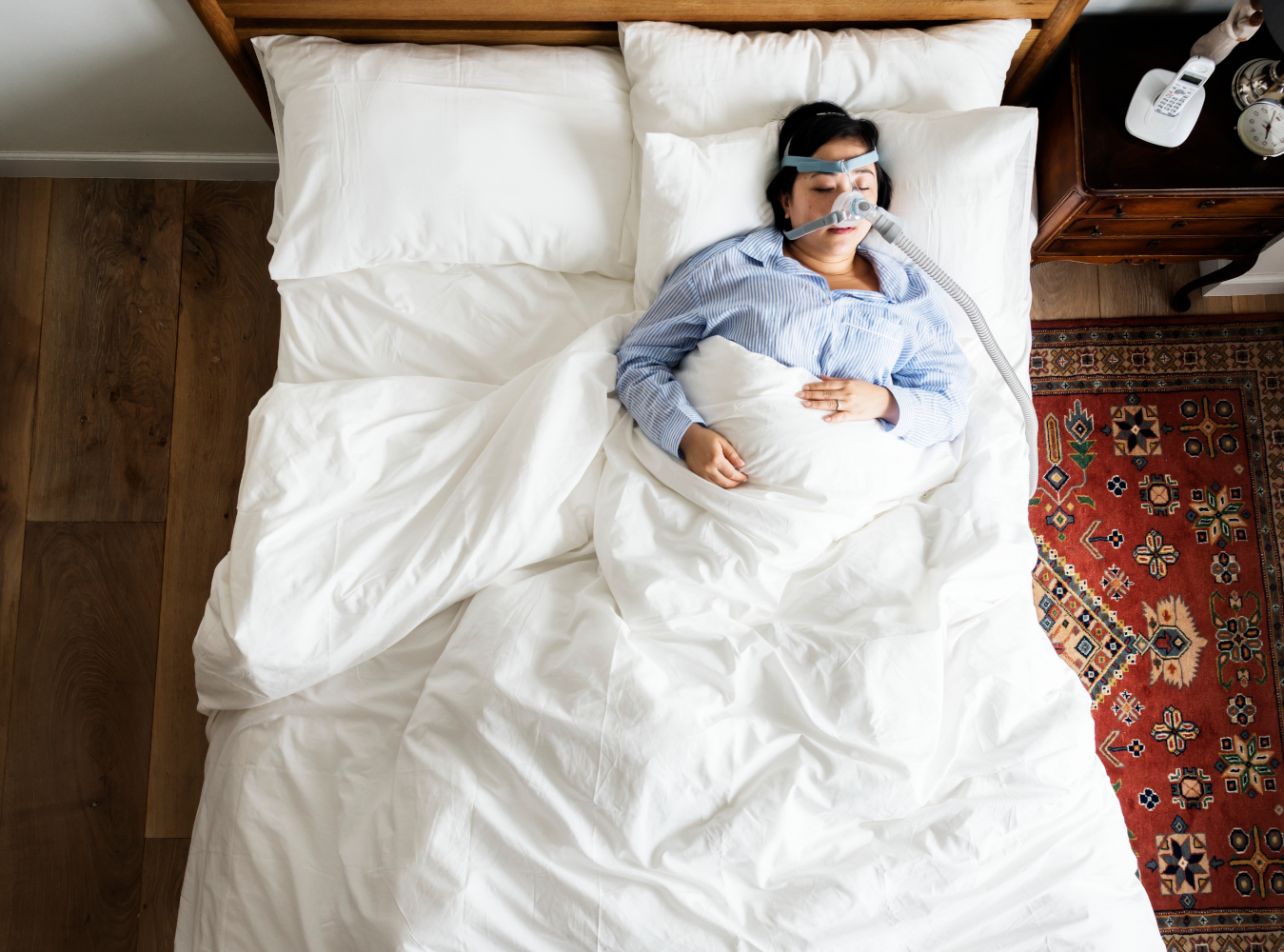
The American Academy of Sleep Medicine endorses custom-fitted oral appliances as first-line therapy for patients with mild to moderate OSA, and for those with severe OSA who cannot tolerate CPAP. Numerous randomized controlled trials now show OAT performs comparably to CPAP in long-term outcomes, primarily because patients actually use it.
Mandibular advancement devices (MADs) have evolved significantly, with custom, titratable models outperforming boil-and-bite devices in both efficacy and adherence. According to Alrejaye’s comprehensive review, up to one-third of patients treated with MADs achieve full remission, and two-thirds show significant improvement. Still, individual variability remains high, reinforcing the need for close follow-up and titration.
The most common side effects of this treatment include bite changes and TMJ strain, but cases are usually mild and manageable with appropriate design selection and long-term occlusal monitoring. And with proper documentation and collaboration, many practices successfully bill OAT under medical insurance, a game-changer for access and revenue.
Note: Dentists should review local regulations, as some states require board-approved CE or formal collaboration with sleep physicians to deliver OAT. Stay tuned next week when we’ll cover the top CE events and resources on this topic!
Maxillary Expansion and MMA
For the right patients, surgical intervention can be definitive. Maxillomandibular advancement (MMA) remains the gold standard for CPAP-resistant severe OSA, reducing the number of apneas and hypopneas that occur per hour of sleep (AHI) by over 80% in meta-analyses. Success rates approach 99% in properly selected cases. Orthodontists and oral and maxillofacial surgeons must consider OSA as part of skeletal treatment planning, especially in adults with maxillofacial discrepancies and children with constricted palates.
Maxillary expansion, both orthopedic and surgically-assisted, has shown substantial benefits for pediatric OSA. Studies cited in recent reviews report improvements in oxygen saturation, nasal airflow, and even resolution of enuresis linked to sleep apnea.
“Under One Roof” Care Models
Perhaps the most transformative idea in dental sleep medicine is the care-under-one-roof model. As outlined by Sharma et al., placing dental sleep experts within AASM-accredited sleep centers streamlines diagnosis, appliance delivery, titration, and follow-up.
It’s a model that merges medical and dental strengths. Sleep physicians provide diagnosis and systemic oversight, while dental professionals deliver and monitor oral appliance therapy. Digital workflows, from intraoral scanning to cloud-based sleep tracking, are making it easier than ever to integrate OSA therapies without disrupting your existing chair time. Practices that embrace this kind of coordination will define the standard of care over the next decade.
Brushing Up on OSA Is No Longer Optional
Sleep apnea care is no longer a fringe topic in dentistry. It’s central to the future of preventive, whole-body health. You already own the domain for front-line screening and the patient rapport. What’s needed now is intentional integration, education, and systems to support multidisciplinary care.
Beyond its clinical importance, dental sleep medicine is one of the most scalable revenue streams in modern practice, combining high case value, increasing patient demand, and growing medical insurance reimbursement opportunities, while also reducing cardiovascular disease, preventing stroke, and saving lives. And all that starts in your chair.
Stay tuned next week when Dentistry 411 details the best conferences, webinars, and online courses for dental sleep medicine.
SOURCES: Australian Dental Journal, Becker’s, Science Daily, Sleep Epidemiology, Sleep Medicine Reviews, Journal of Clinical Sleep Medicine, Dental Rx, Dental Sleep Practice