
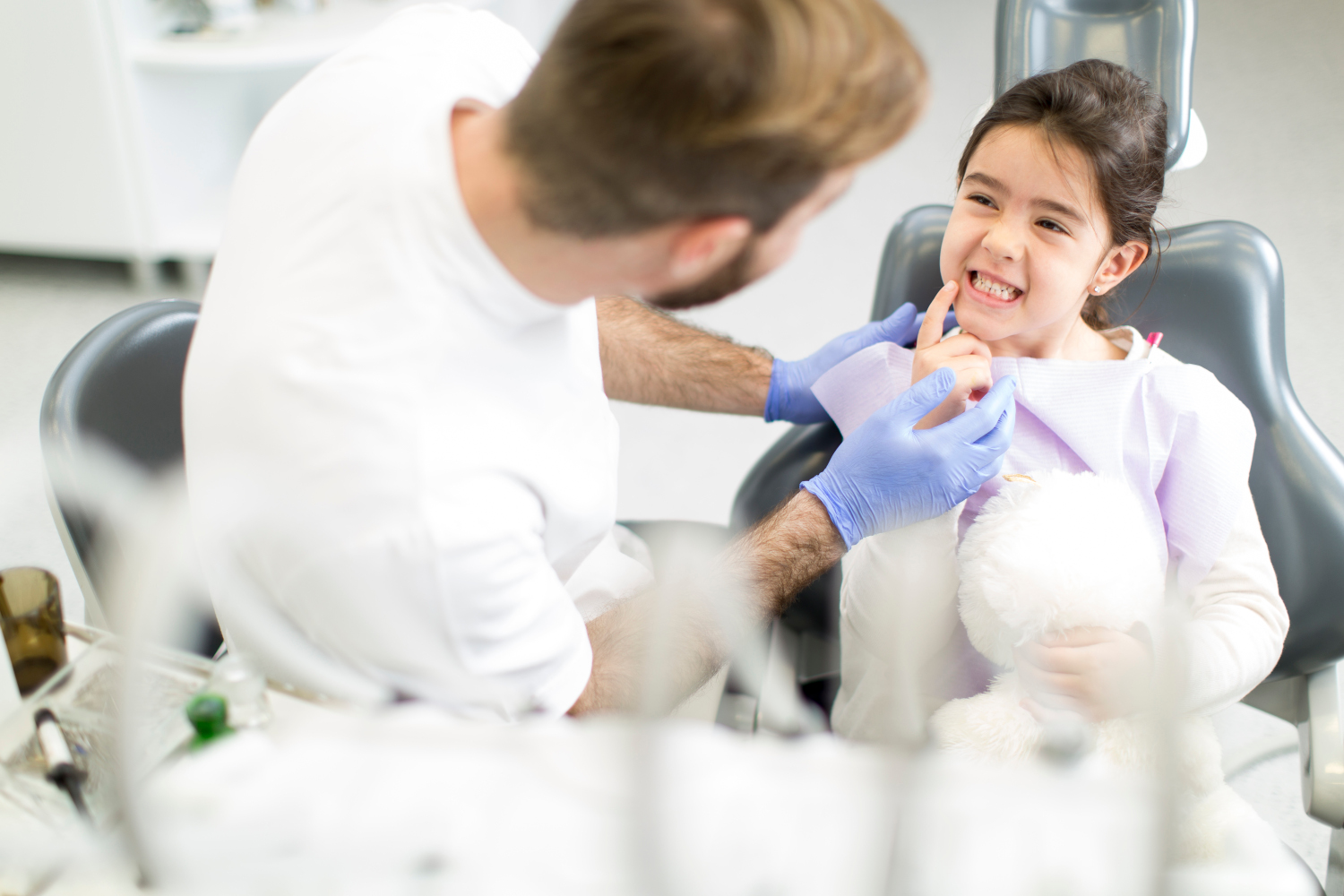
The post-COVID-19 landscape in pediatric oral health shows signs of recovery, but the data tell a more nuanced story than a simple return to “normal.” A recent analysis using five years of data from the National Survey of Children’s Health (2019–2023) underscores both progress and a few persistent challenges. As a dentist, particularly if you work with pediatric or underserved populations, understanding these trends is essential for clinical planning, community outreach, and public health advocacy. This week, Dentistry 411 paints a clear picture of where pediatric oral health currently stands and what dentists can do to address gaps in care amid workforce shortages.
Kids Are Back in the Chair … but Not All Are Getting the Same Care
Let’s start with the good news: By 2023, most metrics for oral health care utilization among children (general visits, preventive care, and specific preventive services) had returned to pre-pandemic levels. This includes basic visit frequency and general access to oral health services.
But not all outcomes bounced back equally. Caregiver ratings of children’s oral health, an important though subjective measure, remained slightly worse than in 2019, with a statistically significant increase of 0.3 percentage points in “poor” ratings. It’s a small change numerically, but given the national scale, this indicates a meaningful number of children whose perceived oral health is still suboptimal.
The data reveal that two key services, dental examinations and sealant applications, remained below pre-pandemic levels in states with low dentist supply. Exam rates dropped by 2.5 percentage points, and sealant rates by 1.9 percentage points in those regions. These gaps are even more pronounced among Hispanic children and those on public insurance.
Workforce Shortage = Service Shortage
Low dentist supply continues to be a limiting factor in many areas. This isn’t news, but the post-pandemic data re-emphasize just how closely tied access is to workforce distribution. Sealants, often delivered in school-based programs or community clinics, seem to be the canary in the coal mine, indicating broader limitations in preventive service delivery.
In practical terms, if you practice in a region with known shortages, expect an uptick in caries risk among your pediatric population. Clinical vigilance needs to be higher, and community partnerships (e.g., with schools or local health departments) may be more critical than ever.
Prevention Is Still Playing Catch-Up
Sealant application didn’t fully recover for key vulnerable groups. Hispanic children and those with public insurance still showed lower rates in 2023 compared to 2019. These disparities were not fully explained by access alone, suggesting that other barriers (cultural, economic, and systemic) continue to play a role.
For dentists, this means prioritizing culturally competent care and perhaps reevaluating patient education approaches for these populations. If your practice includes Medicaid patients or is located in a demographically diverse area, targeted strategies for improving sealant uptake should remain a priority.
The Subjective-Objective Gap
The increase in poor oral health ratings, however small, shouldn’t be dismissed. Parents may be picking up on subtle signs of deteriorating oral health that haven’t yet triggered clinical visits. This could reflect deferred care during the pandemic or lower-quality care due to overburdened systems.
This subjective assessment is actionable. Use intake interviews and medical history updates to probe for recent changes in a child’s oral habits or symptoms that could reflect underlying pathology. Consider implementing or reinforcing caries risk assessments and early intervention protocols.
What Dentists Should Do Next
With disparities in care still lingering and preventive services lagging for vulnerable groups, dental professionals are in a critical position to help close the gap and strengthen pediatric oral health moving forward. Consider these next steps:
- Monitor preventive care gaps
Track sealant and exam rates in your own patient population. If you’re in a low-supply state or community, use your practice data to support grant applications, outreach efforts, or partnerships with mobile units and schools.
- Address structural access issues
Consider expanding hygiene-led services or integrating teledentistry for triage and prevention. Engage with local dental societies or policy groups advocating for increased provider distribution.
- Double down on vulnerable populations
Reconnect with patients lost to follow-up during the pandemic. Build culturally informed communication strategies. Work closely with Medicaid programs to ensure children aren’t slipping through administrative cracks.
- Be a voice in workforce development
Advocate for workforce expansion through dental schools, residency placements, and loan repayment programs in underserved areas.
- Educate and engage parents
Treat caregiver concerns as a diagnostic cue. They often notice early signs of oral disease.
The Pandemic May Be Over, But Its Effects Aren’t
This new research reaffirms that the ripple effects of COVID-19 are still shaping pediatric oral health. Access may look normal on the surface, but disparities in care remain and in some cases, are widening. Dentists have a central role not only in treatment, but in advocacy, systems improvement, and prevention-focused care.
SOURCES: JADA